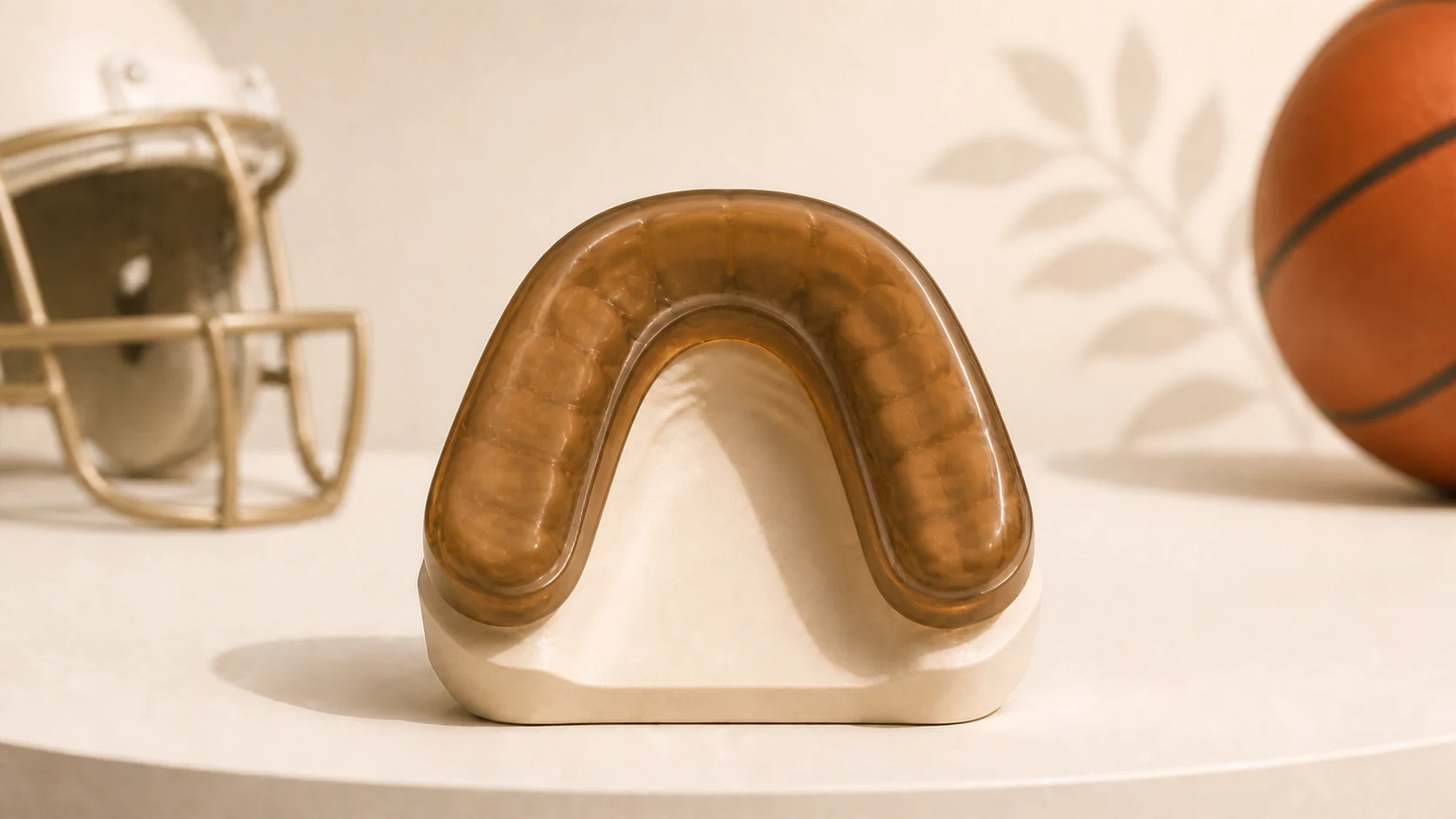
When playing soccer, boxing, basketball, cycling, or other sports, consider protection appropriate to the activity. An impact can damage teeth and oral tissues; knowing how to respond also matters.
Most common sports-related dental injuries
- A knocked-out permanent tooth: seek immediate care. Hold it by the crown; if it cannot be safely replanted, keep it moist in milk. Do not replant a baby tooth.
- Crown fracture: treatment depends on depth and pulp condition; it does not always require a root canal.
- Root fracture: compromises the root, prognosis varies.
- Luxation: displaced tooth without coming completely out (intrusion, extrusion, lateral).
- Dental concussion: impact without displacement that may cause pulp necrosis weeks later.
- Soft tissue injuries: cuts to lips, tongue and cheeks from the teeth themselves.
Which sports require it?
Consider a mouthguard for sports with a risk of impacts to the mouth, such as soccer, boxing, basketball, hockey, or cycling. Fit and the needs of each activity should be reviewed with a professional.
The three types
1. Stock (prefabricated)
Stock mouthguards come in standard sizes. Fit can be limited; seek advice if one moves, is uncomfortable, or affects breathing.
2. Boil-and-bite
Boil-and-bite mouthguards are adapted according to manufacturer instructions. A suitable, properly fitted model may be an option; a dentist can advise you.
3. Custom-made in clinic
A custom mouthguard is made to fit the patient’s mouth. It may offer good fit and comfort but needs checking and does not guarantee prevention of every injury.
What to check about fit
- Coverage of the teeth intended for protection.
- Stability without needing to clench continuously.
- Thickness and design suited to the activity.
- Comfortable breathing and speaking.
- No injury to gums, lips, or cheeks.
- Compatibility with braces or other oral conditions.
Mouthguards for kids
- When teeth are changing, fit needs more frequent review.
- Replace it if it no longer fits, is damaged, or the clinician recommends it.
- Lifespan depends on use and oral changes; there is no universal age-based replacement schedule.
- With braces: special mouthguard with space for brackets.
Care and maintenance
- Rinse with cold water before and after each use.
- Brush with mild soap 1-2 times a week.
- Store in a ventilated case (not a closed bag).
- Avoid direct heat (car, sun).
- Inspect monthly for cracks or deformation.
Protection and care after an impact
A mouthguard is a preventive measure. If an impact occurs, seek evaluation even if you were wearing one; injury treatment depends on the case.
Ask about suitable protection
At Endodontics, we treat adults and adolescents with permanent teeth. We can assess dental injuries and guide appropriate referral; younger children require a pediatric dental provider.
Last updated: .